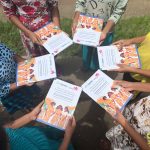
iProbono, in partnership with the High Commission of Canada and the Stop Child Cruelty Trust convened a roundtable to address the country’s critical backlog of child abuse cases. The discussion brought together civil society organisations, legal experts, international bodies, and child rights advocates, to address the deep-rooted flaws in Sri Lanka’s child protection and justice systems.
A System in Crisis
Despite ratifying the UN Convention on the Rights of the Child, Sri Lanka continues to fall short of its international obligations. Children who report abuse are left to navigate a system that is under-resourced, bureaucratic, and often indifferent.
In 2024 alone, over 8,000 cases of child abuse were reported. Alarmingly, 22% of these involved cruelty, a criminal offence under Section 308 of the Penal Code. But these numbers only scratch the surface. The 2022 Auditor General’s report starts that over 39,000 cases of child abuse remain unresolved.
In 2020, the National Child Protection Authority (NCPA) received 8,165 complaints. Just 1.35% were filed by the Special Police Investigations Unit. In 2021, out of 11,187 complaints, only 0.5% reached the courts. These low percentages suggest substantial delays in investigations and a high likelihood of unresolved cases. The sharp drop in cases progressing to legal action, despite an increase in complaints, points to systemic inefficiencies, such as administrative bottlenecks, limited investigative resources, or weak inter-agency coordination. As a result, many child protection issues may remain unaddressed, leaving vulnerable children at continued risk.
The message is clear: children are being failed at every level.
Justice Undone
Legal experts at the roundtable highlighted structural deficiencies and resource constraints that have contributed to this silent crisis. While initiatives like video evidence units were meant to protect child survivors from trauma, only 33 recordings were conducted in 2020. This means that children are still forced to repeatedly recount their abuse in adversarial courtrooms.
The Attorney General’s Department, burdened by an insufficient cadre of trained professionals, is unable to move cases forward. For this reason, participants called for the establishment of specialised courts to expedite case resolution and ensure children feel safe in court.
As Nevedita Jeevabalan from LEADS, a child rights organisation based in Colombo, noted, “Children who have faced trauma are placed in institutions with little to no mental health support. Unless they display extreme behaviour, they aren’t referred to a psychiatrist or counsellor. Many are moved between homes or end up in remand facilities, without access to education or consistent care. Psychosocial support in these settings is critical, yet is often overlooked.” This suggests the importance of trauma-informed approaches in supporting children, and how a delay in redressal can have lasting impact on their wellbeing.
The group also discussed the visionary policies Sri Lanka implemented in the past, such as the establishment of the NCPA as a statutory body. This has now been reduced to functioning as a department in the Ministry of Women and Children’s Affairs. Moreover, it is hindered in its mandate by excessive bureaucracy, evident in its current backlog of 40,000 cases of child abuse.
The Path Forward
The roundtable concluded with a united call to action. Participants emphasised that the Ministry of Justice and the Attorney General’s Department must lead the efforts to decentralise and improve legal infrastructure.
Among the urgent reforms required are
- Passage of the long-delayed Child Protection and Justice bill to consolidate fragmented laws like the Children and Young Persons Ordinance, and introduce minimum sentencing and safeguarding principles.
- Reinstatement of the Attorney General’s Child Abuse Unit, which previously ensured case filing within 2–3 years.
- Establish specialised child-friendly courts, like those in Nepal, to provide survivors with safe spaces .
- Strengthen the judiciary by mandating training on child-sensitive procedures, and capping delays and adjournments. International partners such as UNICEF, the High Commission of Canada, and UNDP can support such initiatives through technical guidance, while civil society organisations must continue to advocate, provide survivor care, and hold authorities accountable.
- Embed survivor care services into the legal process to protect the emotional and mental wellbeing of children.
- Above all, Sri Lanka must streamline the justice process, to create a more responsive, sensitive, and survivor-centred system.
This is a Call for Accountability
Behind every one of the 40,000 unresolved child abuse cases in Sri Lanka is a child forced to relive trauma. It is essential for the Ministry of Justice and the Attorney General’s Department to lead urgent, systemic reform. iProbono is committed to advocating for the rights of children in Sri Lanka, and collaborating with donors and international partners to offer strategic and technical support for these reforms.