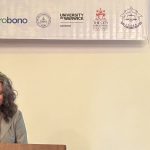
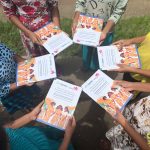
In 2025, iProbono convened two powerful gatherings under the South Asia Justice Network (SAJN), bringing together lawyers, activists, scholars, and community leaders to reflect on justice movements unfolding across South Asia.
The SAJN is our forum where human rights defenders and legal professionals from across the South Asian diaspora share insights and experiences from their jurisdictions and areas of expertise, to promote collective solutions and shared action.
Dr Tushara Wickramanayaka, one of Sri Lanka’s leading child rights advocates and the founder of the Stop Child Cruelty Trust, spoke about the need to strengthen child protection systems in Sri Lanka. In particular, she drew attention to the severe backlog of child abuse cases and the systemic challenges within the justice system.
Dr Wickramanayaka built on insights from Children First: A Deep Dive into the National Child Protection Authority’s Role in Child Protection, a report, developed in collaboration with iProbono, which uses RTI data to highlight significant gaps in the functioning of the NCPA. She also talked of the need to end corporal punishment and improve accountability mechanisms.

We also hosted a conversation between Sara Hossain, Senior Advocate at the Supreme Court of Bangladesh, and Nowshin Noor, a law and policy expert from Bangladesh. Moderated by our Communications Lead, Taran Khan, the session explored the significance of youth-led movements in Bangladesh.
Speakers reflected on the power and persistence of young people driving reform, while also noting the marginalisation of women and other communities from decision-making spaces, despite their central role in movements for change.

Both discussions centered voices from the region in raising timely questions. The speakers engaged with the audience that included lawyers, journalists and social justice actors who brought an intersectional lens to the conversation.