For many young people from gender and sexual minority (GSM) communities in Nepal, a career in politics means navigating spaces that have historically excluded them.
iProbono brought 49 activists, political aspirants, party members, civil society representatives and young people from across Nepal came together to ask a more hopeful question: what would it take to see ourselves not only in those spaces, but help shape them?
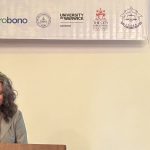
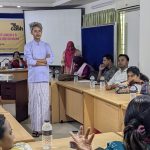
The session, “Building Political Leadership: Practical Strategies for GSM Political Aspirants” was organised in collaboration with Mayako Pachihan Nepal and iProbono. It brought participants into conversation with Aritha Wickramasinghe, iProbono’s Equality Director, whose own experience navigating political spaces as an LGBT+ person in Sri Lanka offered participants a rare, close up view of both the obstacles and the opportunities.
The conversation didn’t romanticise the path. It focused on the realities of political spaces: how to build relationships, find allies, establish credibility, respond to discrimination and carve out space for LGBT+ priorities within political parties that don’t always share the same sentiments.

Start local, not with a candidacy
One of the strongest messages was that political leadership doesn’t have to begin with running for office. It can start much closer to home, by listening to your community, getting involved in local issues, and building trust with the people around you before asking anything from them.
For aspiring GSM leaders, this also means learning to navigate a delicate balance: advocating for LGBT+ rights and priorities, while genuinely engaging with the wider concerns that shape political life. Aritha encouraged participants to think concretely about what they could offer a party or organisation, and to build relationships with people who could become allies, not just supporters of a single issue.
Progress is slow. Show up anyway.
Participants didn’t shy away from naming the obstacles: political spaces can be hostile, prejudice is real and change is often slow. But the discussion reframed those obstacles rather than retreating from them. Political engagement, Aritha argued, takes patience, resilience and the willingness to keep showing up even when the room isn’t ready for you.
Why a Sri Lankan perspective mattered here
For many in the room, there was something familiar about hearing this from another South Asian queer person who is challenging social norms and leading conversations in his own country. Listening to Aritha’s experiences allowed participants to consider what might be possible in Nepal, while recognising that there is no single route into political leadership.

The value of the session wasn’t only in the strategies participants walked away with, it was the confidence built in the room itself. For young people weighing whether political participation is even possible for them, watching someone navigate that path can make it feel a little less distant.
Nepal’s political future for its GSM community isn’t fully open yet. What this room proved is that people are ready to build it, one relationship, one conversation and one seat at a time.